

The Role of Regular Check-Ups With Your General Dentist
June 16, 2026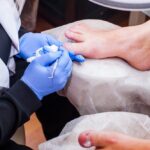
Home Remedies vs. Professional Care for Treating Ingrown Toenails
June 16, 2026
Eczema is a skin condition that causes dryness, itching, redness, and irritation. Understanding its possible triggers, symptoms, and care options can help individuals manage flare-ups and protect the skin barrier. Here is more information on what to know about eczema, eczema treatment, and the steps that may help support healthier skin:
What Are Its Symptoms?
Eczema shows up differently from person to person, but a few symptoms appear often. Symptoms can range from mild to severe, and they may change with the seasons or your daily habits. Here are some symptoms that often point to eczema:
- Dry and scaly patches: These rough areas often appear on the hands, face, or the backs of the knees.
- Persistent itching: The urge to scratch may intensify at night and disturb sleep.
- Redness or discoloration: Inflamed skin may look red, brown, or gray, depending on your skin tone.
- Swelling or oozing: Severe flare-ups may crack open, and they sometimes leak fluid.
Understanding these symptoms and documenting their progression can help you work more effectively with your healthcare provider to develop a personalized eczema treatment plan.
What Triggers Flare-Ups?
A flare-up happens when something irritates your skin and the symptoms suddenly return. Triggers vary widely, so what bothers one person may not affect another at all. Common triggers include harsh soaps, certain fabrics, sweat, stress, and sudden changes in weather; learning your personal triggers is a key step toward fewer flares.
Stress alone can worsen eczema, and some people experience flare-ups during busy or tense periods. Dry air during winter pulls moisture from the skin, and heat and sweat in summer often irritate it. You cannot control every trigger, but you should limit your exposure once you know what sets off your skin.
How Does One Support the Skin?
Daily care plays a fundamental role in supporting eczema treatment and keeping the skin calm. A consistent routine helps lock in moisture and lowers the risk of a sudden flare. Gentle products work best, so choose mild, fragrance-free cleansers and apply moisturizer while your skin is still damp. Here are some key practices that can support healthy skin between flare-ups:
- Moisturize often: Apply a thick cream or ointment at least twice a day to seal in hydration.
- Take shorter showers: Warm water is gentler than hot water, and brief showers may reduce dryness.
- Pat skin dry: Gently pat with a towel instead of rubbing, which often irritates sensitive areas.
- Wear soft fabrics: Cotton and other breathable materials may reduce friction and are kinder to the skin.
These steps will not cure eczema, but a consistent routine often makes daily life smooth and more manageable.
Which Treatments Are Available?
When home care is not enough, a doctor can guide you toward professional eczema treatment options. Treatment depends on how severe your symptoms are, and your provider will tailor a plan to your needs. Topical creams that reduce inflammation are common, and some people start with these before moving on to other choices.
For moderate or severe cases, a doctor may recommend oral medications or newer injectable treatments. You should never start a prescription treatment on your own; always speak with a qualified provider who will review your history and recommend the safest approach. Your doctor may also help you manage triggers and create a long-term plan. Regular checkups allow your provider to adjust treatment as your skin changes.
Book Your Eczema Treatment Appointment
Eczema is a skin condition marked by dryness, itching, and inflammation. Managing it requires a comprehensive approach that includes identifying triggers, implementing the right treatment plan, and maintaining regular communication with a qualified healthcare provider. Patients can effectively address symptoms and make adjustments as the skin’s needs evolve through consistent care and open dialogue. Contact a qualified dermatologist in your area to book your eczema treatment appointment today.






