
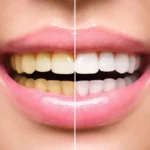
The Benefits of Teeth Whitening in Cosmetic Dentistry
June 16, 2026
What Is Eczema and How Do I Treat It?
June 16, 2026
Oral health plays a steady role in overall well-being, and regular dental care helps people maintain healthy teeth and gums throughout their lives. General dentistry covers a wide range of preventive and routine services that support the mouth at every stage of life. A dentist serves as the main point of contact for dental concerns, from cleanings to early detection of common problems.
What Is General Dentistry?
General dentistry is the branch of care focused on the diagnosis and treatment of conditions affecting the teeth and gums. A general dentist completes years of education to provide care for patients of all ages. Unlike specialists who concentrate on one area, such as orthodontics or oral surgery, a general dentist offers broad services that address everyday oral health needs. When a more complex issue arises, a dentist may refer a patient to a specialist for further treatment. A primary goal of general dentistry centers on prevention. A dentist can help patients avoid more involved treatments later, and this approach supports both the health and appearance of the mouth over time.
What Services Does It Provide?
General dentistry includes a wide variety of services, meeting routine and preventive needs. The exact offerings can vary from one practice to another, but several services are commonly available. These include:
- Cleanings: A dental hygienist removes plaque and tartar buildup that brushing and flossing at home may miss.
- Examinations: During a check-up, the dentist inspects the teeth, gums, and soft tissues for signs of decay, gum disease, or other concerns.
- Fillings: When a cavity forms, the dentist removes the decayed area and fills the space with a suitable material to restore the tooth.
- X-rays: Imaging allows the dentist to view areas that are not visible during a standard exam, such as the space between teeth or below the gum line.
- Crowns and Bridges: These restorations help repair damaged teeth or replace missing ones, supporting both function and appearance.
- Extractions: When a tooth cannot be saved, the dentist may remove it to protect surrounding teeth and tissues.
Many dentistry practices also offer cosmetic services, such as teeth whitening, to improve the look of a person’s smile. Some provide care for issues like jaw discomfort.
When Should You Have a Check-up?
The recommended frequency for dental visits depends on a person’s individual needs, but it is commonly suggested that most people schedule a check-up and cleaning about twice a year. These regular visits give the dentist a chance to monitor changes, allowing them to address concerns before they grow. Those with a history of gum disease, frequent cavities, or other ongoing conditions may benefit from a more frequent schedule. Certain signs suggest a visit sooner rather than later. You may want to schedule an appointment if you notice:
- Tooth pain or sensitivity
- Bleeding, swollen, or tender gums
- Teeth that are loose or chipped
- Persistent bad breath
- Jaw discomfort
Children also benefit from regular dental care. Early visits help establish good habits and allow the dentist to track development.
Meet With a Dentist
Regular dental care supports a healthy mouth, and it helps people stay informed about their oral health. A general dentist offers a wide range of preventive and routine services designed to meet the needs of patients across all ages. By keeping up with scheduled check-ups and seeking care when symptoms appear, you establish a structured approach that supports long-term oral health.





