Using Aesthetic Treatments to Combat Signs of Aging
May 26, 2026
Physical Therapy for Back Pain
May 26, 2026
Eye injuries affect the surface, internal structures, or surrounding tissues of the eye, and they may result from causes such as debris or blunt impact. An ophthalmologist evaluates the damage and guides treatment decisions. This process becomes more complex when conditions like glaucoma or cataracts are also present. In these cases, the specialist must address the injury while monitoring changes in pressure, lens clarity, and overall eye structure. Through detailed exams and follow-up visits, the goal is to identify the type of injury and protect ocular structures. Here’s information about how an ophthalmologist treats eye injuries and supports safe long-term management of relevant conditions:
Evaluating Existing Conditions
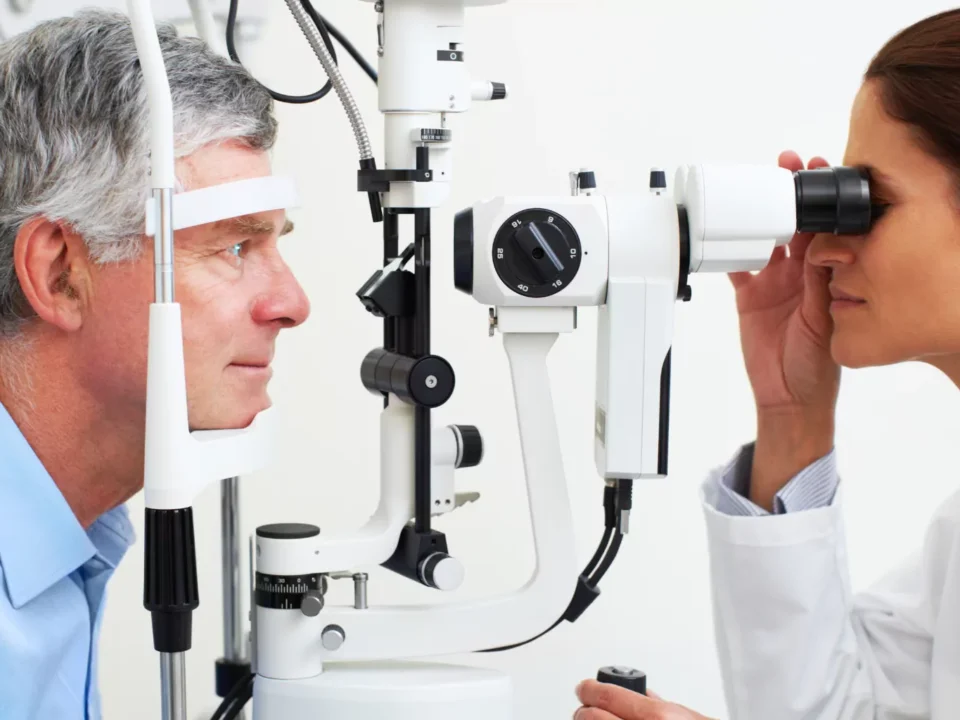
The first stage of care involves a close review of the injury and the patient’s eye history. The ophthalmologist examines the front and back of the eye, checks vision, and looks for visible signs of trauma. This exam may include pressure testing and light-based examination; imaging is also used depending on the injury.
If glaucoma is part of the patient’s history, the doctor pays close attention to intraocular pressure and drainage structures. When cataracts are present, the doctor examines the lens for changes in position or clarity. These details give the ophthalmologist a stronger understanding of the full picture. A basic injury assessment is helpful, but a broader review is fundamental when other eye conditions already affect the same structures.
Monitoring Pressure Changes
Glaucoma relates to the optic nerve and pressure control inside the eye; an injury may interrupt that balance. Swelling, bleeding, or structural disruption sometimes affects how fluid moves through the eye. The ophthalmologist tracks pressure closely during the early stage of treatment and during follow-up visits. Pressure changes do not always appear at once; some develop later, which is why repeat evaluation matters. The ophthalmologist may adjust the care plan based on exam findings, current medications, and the type of trauma involved. This careful review supports safe decision-making and helps the doctor respond to changes as healing progresses.
Examining Lens Changes
Cataracts involve clouding of the eye’s natural lens. When an injury occurs, the lens may shift, swell, or become harder to evaluate. In some cases, trauma changes the way light passes through the eye, which affects how the ophthalmologist views internal structures during the exam.
The doctor may study lens position, clarity, and surrounding support tissue. This process helps determine how the injury relates to the cataract and whether the trauma changed the lens itself. A detailed lens review also helps the ophthalmologist plan timing for future care. If lens changes interfere with visibility inside the eye, that factor becomes part of the treatment discussion.
Coordinating Ongoing Treatment
Eye injury care rarely ends after the first visit; ophthalmologists manage both immediate findings and changes that appear over time. This is especially true when glaucoma or cataracts are already part of the patient’s health history. Follow-up gives the ophthalmologist current information at each stage. Ongoing care may include:
- Repeat pressure checks
- Lens and retinal evaluation
- Review of current eye medications
- Monitoring for structural changes
Consult an Ophthalmologist
An ophthalmologist treats various conditions, including those caused or exacerbated by existing conditions. With glaucoma, this may involve closer monitoring of intraocular pressure, while with cataracts it sometimes requires tracking changes in lens clarity over time. Eye injuries require prompt evaluation; ophthalmologists assess damage, monitor pressure, examine lens changes, and guide follow-up care. Their role is both immediate and ongoing, focusing on structural health and long-term planning. If you’re dealing with an eye injury and have glaucoma or cataracts, schedule an ophthalmology visit as soon as possible.