Understanding the Role of Gastroenterology on Overall Health
June 19, 2026
Understanding the Benefits and Drawbacks of a Vasectomy
June 19, 2026
A personal injury condition is any physical harm or damage caused by accidents or incidents such as car crashes, workplace injuries, or sports-related accidents. These injuries often involve the musculoskeletal system, including muscles and nerves, and they can range from mild strains to severe trauma. While many injuries heal with proper treatment, some can lead to long-term issues or chronic pain. When this pain follows a personal injury, the body’s nerves and tissues continue to send pain signals even though the original wound has closed. Here’s information on personal injury conditions that may lead to chronic pain complications:
Auto Accidents
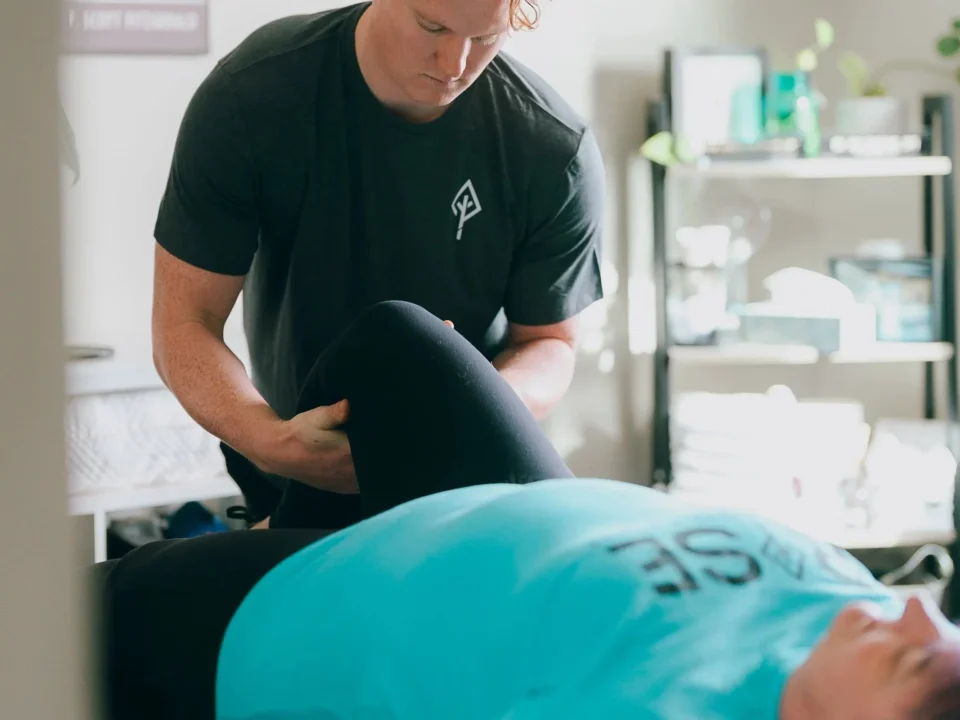
Car crashes place sudden, intense force on the body, and the results often affect your physical health. Whiplash, herniated discs, and joint damage are common personal injuries that auto accidents cause. When pain does not fade with time, and it lasts longer than three months, a specialist may suggest pain management treatment options. Prescription medications are used to support treatment plans by helping to manage pain during daily activities or physical therapy sessions.
For chronic pain from personal injury conditions, nerve blocks may be recommended to target specific nerves, interrupting pain signals they transfer before they reach the brain. Image-guided joint injections is another pain management option, using live imaging to place medication precisely into a damaged joint, improving accuracy. When the spinal cord is injured, treatments like, spinal cord stimulation and steroid injections can reduce pain from some people. Spinal cord stimulation uses a small device that sends mild electrical pulses to the spinal cord, which aims to change how someone feels pain. Epidural steroid injections deliver anti-inflammatory medication into the space around the spinal nerves, which may reduce swelling and ease discomfort.
Slips and Falls
A slip or fall may seem minor, but they sometimes cause lasting harm. People often land hard on their hips, wrists, backs, or tailbones, and these areas can develop pain. Older adults face a higher risk because bones and joints become more fragile with age, making fractures, sprains, and soft tissue damage more common outcomes. Back and neck injuries often lead to ongoing nerve pain, while damaged joints may cause stiffness that limits movement. Some people develop pain that spreads from the injured area to other parts of the body.
Sports and Overuse Injuries
Active people face two main types of injuries: sudden trauma and repeated stress injuries. Both can lead to chronic pain when the body does not get enough time to recover. A sudden injury, such as a torn ligament or a dislocated joint, happens in a single moment, such as:
- Sprained Ankles
- Knee Injuries
- Shoulder Tears
When these injuries do not heal fully, the affected area may stay weak and painful for a long time. Overuse injuries build slowly over weeks or months. Activities like running, throwing, or lifting can strain the same muscles and tendons again and again. Without proper recovery time, these tissues remain damaged. Conditions such as tendinitis and stress fractures fall into this group. Without proper rest and treatment, the pain can impact daily life.
Effectively Manage Your Personal Injury
Chronic pain is pain that lasts longer than three months, often staying long after an injury should have healed. If your pain continues after an accident other injury, reaching out to a qualified specialist is a proactive step. For personalized information, contact a specialist for an injury or pain management consultation. An interventional pain management specialist focuses on finding the source of your pain and creating a plan for your needs. These doctors use targeted treatments to address the problem directly, commonly working with other providers to support your condition.