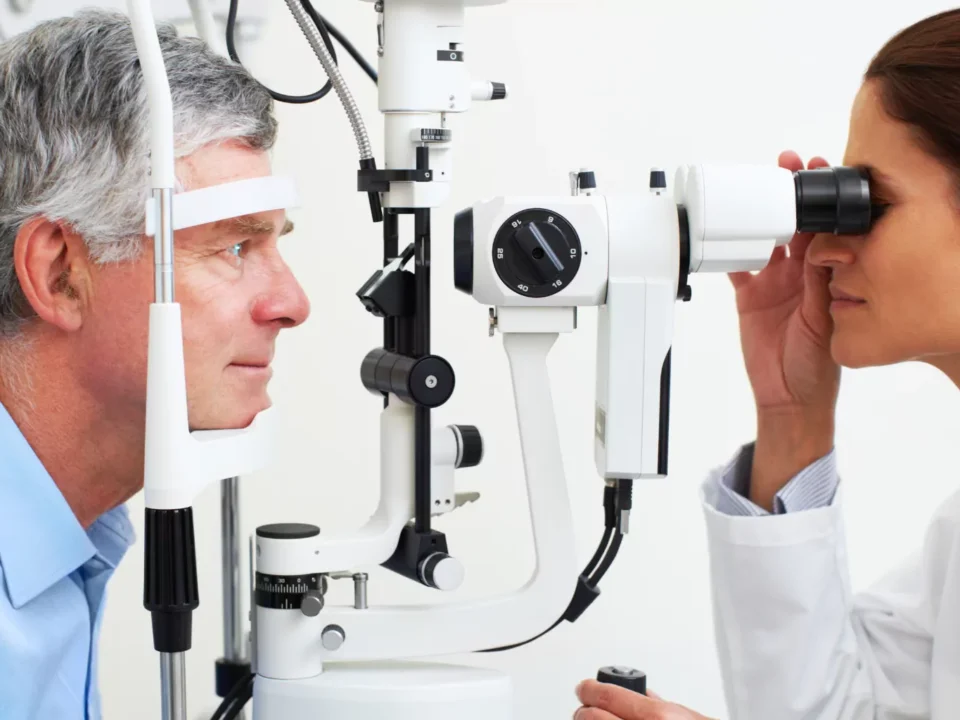
Common Conditions Treated by ENT Specialists
February 10, 2026
How To Choose the Right Infertility Specialist for Your Needs
February 10, 2026
Your diet provides the building blocks for healthy skin function. While many factors affect your skin, nutrition plays a key role. Understanding this connection helps you make supportive choices. Your dermatologist offers practical information, and you can learn how certain foods impact your skin’s health.
Foods That Support Skin
Nutrient-rich foods benefit your body, and they support your skin’s structure and appearance. Foods such as berries and leafy greens help protect the skin because they are high in antioxidants. Including them in your diet is a simple step for a vibrant complexion. Healthy fats in avocados and nuts help maintain the skin’s natural barrier. They keep it hydrated and smooth. Vitamins also support your skin. Vitamin C promotes collagen production, helping firm skin. Citrus fruits and bell peppers are good sources. Vitamin E is another powerful antioxidant, so eat seeds along with other skin-supporting nutrients.
A balanced diet provides a foundation for better skin. Other foods that support skin health include tomatoes, rich in lycopene and promoting sun protection, and sweet potatoes, which provide beta-carotene for skin cell renewal. Fatty fish like salmon contain omega-3 fatty acids. These nutrients reduce inflammation, and they can keep skin moisturized. Since whole grains and beans provide zinc and B vitamins, include them in your daily diet. These support skin healing and resilience. Include a wide variety of fruits, vegetables, and protein sources recommended by your dermatologist.
Diet Can Hurt Conditions
Certain foods influence common skin concerns such as acne, eczema, and rosacea. High-glycemic foods are sometimes linked to acne breakouts. These foods cause blood sugar to rise quickly. This might trigger the body to produce more oil and inflammatory chemicals. Some people find their acne improves with a low-glycemic diet, but this varies. Tracking your food intake provides personal insight. For eczema, some individuals notice flare-ups after eating eggs, nuts, or dairy. Identifying these possible triggers and avoiding them when needed helps manage dry patches and irritation. Rosacea may also be triggered by spicy foods, hot drinks, or alcohol, leading to redness and sensitivity. Dairy and processed foods are other areas to watch, and they may need to be restricted. This is especially true if you experience sensitive skin or frequent breakouts. For some individuals, dairy can contribute to inflammation and increased oil production.
Combining Diet and Professional Skincare
A good diet works best with a consistent skincare routine. Professional treatments address specific concerns. If you struggle with acne, dietary changes support your efforts. Targeted acne treatments often provide more direct results. These treatments manage breakouts while you adjust your eating habits. A skincare specialist offers guidance on suitable products or therapies. Professional services offer advanced solutions for a range of skin needs. Custom facials deeply cleanse and nourish your skin, and they remove impurities that diet alone cannot address. Chemical peels remove dead skin cells, revealing a brighter complexion. They improve uneven tone or texture that persists despite dietary improvements. Regular treatments give a professional a chance to monitor your skin’s response. They can adjust care as needed. Combining a thoughtful diet with professional care creates a comprehensive plan.
See a Dermatologist Today
Your plan for healthier skin is unique. A balanced diet is a great starting point. If you need help with specific concerns, professional guidance is valuable. Your dermatologist offers personalized treatments, so book an appointment today.