Exploring Non-surgical Alternatives to Hair Transplants
May 22, 2026
The Role of Communication With Your Dentist for Optimal Care
May 22, 2026
Changes in skin health can influence daily comfort and overall well-being. Individuals may seek specialized care to address various skin conditions, ranging from persistent rashes to unusual growths. Dermatology specialists offer detailed evaluations and provide targeted interventions designed to maintain or restore skin function. Understanding the available options in both surgical and aesthetic treatments helps patients make informed decisions about their care.
What Is Dermatology?
Dermatology is a specialized branch of medicine focused on diagnosing and treating conditions related to the skin, hair, and nails. Practitioners in this field address a wide spectrum of concerns, and their expertise ranges from common issues like acne and eczema to more complex disorders such as psoriasis and rosacea. When patients notice unusual symptoms, such as an unfamiliar rash or a changing mole, a dermatologist conducts a comprehensive physical examination.
During these visits, physicians utilize advanced diagnostic methods to identify the root cause of the issue. Techniques such as skin biopsies and patch testing provide answers regarding allergies, infections, or cellular abnormalities. Following a precise diagnosis, doctors develop individualized care plans utilizing current medications and therapies. These targeted treatments aim to alleviate physical discomfort and help prevent future symptom flare-ups. Regular skin examinations also allow professionals to track existing moles and monitor for potential signs of malignancy, allowing them to identify skin changes early.
What Surgery Falls Under It?
Surgical interventions within this field may focus on the removal of harmful or irregular skin tissues, and a frequent reason for dermatologic surgery is the treatment of skin cancer. If a malignancy like melanoma, basal cell carcinoma, or squamous cell carcinoma is detected, the physician will outline an appropriate surgical strategy. A highly effective technique used for non-melanoma skin cancers is Mohs surgery. This precise procedure involves removing thin layers of tissue one stage at a time. The surgeon examines each layer under a microscope immediately after removal. This systematic approach allows the doctor to verify that all cancerous cells are eradicated while preserving the maximum amount of healthy surrounding tissue.
What Is Cosmetic Dermatology?
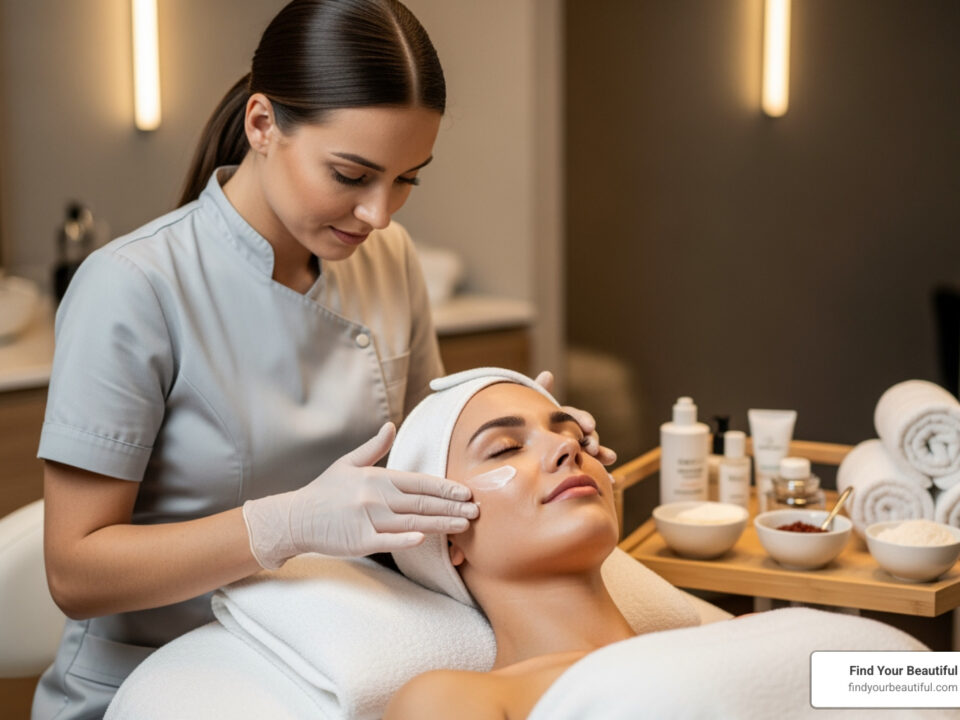
While medical dermatology focuses on disease and dysfunction, cosmetic dermatology centers on enhancing a person’s outward appearance. Many individuals seek these services to address signs of aging, sun damage, or specific aesthetic concerns. Many procedures in this category are non-surgical or minimally invasive, and offer noticeable changes with minimal recovery time.
Physicians establish specific aesthetic goals and review medical history with the patient. Based on a thorough understanding of facial anatomy, the doctor might recommend various interventions. Typical treatments include facial injectables to smooth fine lines, laser therapies for skin rejuvenation, and energy-based procedures for body sculpting. Providers may also offer solutions for scar reduction, spider veins, and uneven pigmentation.
Meet With a Dermatologist
Taking proactive steps regarding skin health leads to better long-term outcomes and improved wellness. Engaging in regular consultations lets medical professionals catch potential issues early, allowing them to adapt care plans as needed. Establishing a consistent relationship with a qualified dermatologist supports ongoing skin health and provides the opportunity for a patient to reach their aesthetic goals.