
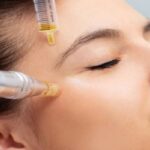
Using Morpheus-8 for Skin Rejuvenation
May 22, 2026
How Surgical and Cosmetic Dermatology Can Improve Quality of Life
May 22, 2026
Hair loss affects millions of individuals in the United States, necessitating effective clinical treatments. Non-surgical alternatives to hair transplants offer viable treatment options for individuals experiencing hair loss. Patients can choose from laser hair stimulation (FoLix), platelet-rich plasma (PRP) therapy, and prescription medications, and these non-invasive methods stimulate hair follicles and promote new growth.
What Is Hair Loss?
Hair loss, clinically known as alopecia, involves a reduction in hair density on the scalp or body, and this physiological condition manifests as thinning hair, receding hairlines, or complete baldness in affected areas. Some patients benefit from getting a surgical hair transplant to permanently restore their natural hair growth. A proper medical evaluation identifies the specific pattern and severity of the condition before any procedural planning begins.
What Causes It?
Hair loss can result from various physiological and genetic factors that degrade hair follicles.
- Androgenetic alopecia: This condition, also known as pattern baldness, is a common genetic cause of hair loss in both male and female patients.
- Hormonal imbalances: Fluctuations in hormone levels can trigger either sudden or progressive hair shedding.
- Nutritional deficiencies: A lack of vitamins and minerals may reduce hair density.
- Autoimmune conditions: Certain autoimmune disorders can cause the immune system to attack hair follicles, resulting in hair loss.
Medical professionals review patient histories and may conduct tests to determine the specific underlying cause.
What Is a Hair Transplant?
A hair transplant is a surgical procedure that moves active hair follicles from a donor site to a balding area. Surgeons typically extract healthy follicles from the back or sides of the scalp, where hair growth remains dense. These extracted grafts are then implanted directly into the thinning regions to establish new, permanent hair growth. The procedure requires local anesthesia, and it demands a specific recovery period for the scalp tissues to heal fully.
What Does It Involve?
Surgeons utilize two primary clinical techniques to perform this operation: follicular unit extraction (FUE) and follicular unit transplant (FUT). The FUE method involves extracting individual hair follicles directly from the scalp, and this is achieved using a specialized micro-punch tool. This advanced technique leaves minimal scarring, offering a relatively fast postoperative recovery period for the patient.
The FUT method requires the surgeon to surgically remove a linear strip of skin from the donor area. The medical team dissects this tissue strip into individual follicular units before meticulously implanting them into the target zones. Each distinct method presents specific anatomical advantages, and the clinical choice depends on the patient’s scalp laxity and required graft count.
What Are Non-surgical Alternatives?
Patients seeking less invasive treatments can utilize several clinically proven non-surgical alternatives. Laser hair stimulation, specifically utilizing systems like FoLix, applies low-level laser therapy to increase local blood flow to the follicles. This targeted cellular stimulation prolongs the active growth phase of the hair cycle, and it thickens existing hair shafts.
Platelet rich plasma (PRP) therapy involves drawing a patient’s blood and centrifuging it, thereby isolating highly concentrated growth factors. Clinicians inject this refined plasma directly into the scalp tissues to rejuvenate dormant hair follicles, and regular PRP sessions may significantly increase objective hair count. Medications offer another approach to halting follicular miniaturization and encouraging new growth.
Consult a Hair Loss Specialist
Addressing alopecia requires a structured, clinical approach tailored to individual physiological needs. Some patients choose from surgical interventions, or they can pursue non-invasive treatments such as prescription medications. A thorough medical evaluation determines the most effective option for restoring adequate scalp coverage, so schedule a formal consultation with a hair loss specialist to evaluate your specific condition.






