
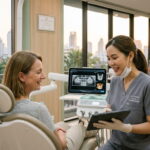
Why More International Patients Are Choosing Thailand for Quality Dental Care
June 21, 2026
The Importance of a Consistent Skincare Routine for Healthy, Hydrated Skin
June 21, 2026
Varicose veins are visible, enlarged veins that may cause aching, swelling, heaviness, or discomfort in the legs. Treatment options depend on the severity of the condition, the symptoms involved, and a patient’s overall vein health. Here is a closer look at treatments for varicose veins:
Assessing Symptoms
Recognizing the signs of varicose veins is a key first step before you deliberate on any treatment. The following symptoms help you understand what to watch for:
- Visible bulging veins: These veins often appear rope-like and may twist on the skin’s surface.
- Aching or heaviness: People may experience a dull ache in the legs, and heaviness can worsen after prolonged standing.
- Swelling around the ankles: Fluid can build up near the lower legs and tends to increase by the end of the day.
- Itching near the veins: The skin around a varicose vein may become itchy, and scratching can irritate it further.
- Skin discoloration: The skin near affected veins may darken over time, typically around the ankles.
Tracking these symptoms gives you helpful information, and sharing them with a doctor supports an accurate evaluation.
Managing Symptoms With Conservative Treatments
Conservative treatments focus on managing symptoms without procedures. Compression stockings are a common starting point; they apply gentle pressure that encourages blood to flow upward. Doctors often suggest lifestyle adjustments alongside them, which may include regular walking, weight management, and leg elevation.
These approaches do not remove varicose veins, but they can ease discomfort and slow progression. Avoiding long stretches of sitting or standing helps, and shifting your position often keeps blood moving. A doctor will explain which habits suit your situation and may recommend a routine you can follow at home.
Exploring Minimally Invasive Procedures
When conservative care is not enough, minimally invasive procedures are another option. These treatments use small tools or injections, and they usually require little recovery time. Here are some of them:
- Sclerotherapy: A doctor injects a solution into the vein, which then closes and fades over time.
- Endovenous laser treatment: A thin laser fiber delivers heat inside the vein, which causes it to seal shut.
- Radiofrequency ablation: This procedure uses radio waves to heat and close the vein.
- Microphlebectomy: A doctor removes surface veins through tiny skin punctures, and the small openings often heal without stitches.
These minimally invasive treatments provide effective solutions for managing varicose veins, promoting improved circulation and alleviating discomfort with minimal recovery time.
Reviewing Surgical Treatment Options
Surgery becomes an option when veins are large or when other treatments have not worked. Vein ligation and stripping are traditional approaches that involve tying off and removing the affected vein through small incisions. A surgeon performs this procedure under anesthesia, and recovery may take longer than with minimally invasive methods.
Explore Treatment for Varicose Veins
Varicose veins are a cosmetic concern that can impact your quality of life and overall health. Understanding the range of treatment options helps you make informed decisions tailored to your needs. Conservative care manages symptoms, minimally invasive procedures target veins directly, and surgery addresses more advanced cases. Contact a qualified cardiologist near you to book your appointment and explore available treatment options.






