
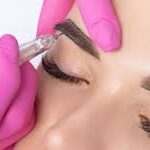
Eyebrow Threading Techniques for Shaped Arches
June 1, 2026
Exploring the Benefits of Regular Dental Check-Ups for Your Oral Health
June 1, 2026
Chronic venous insufficiency (CVI) occurs when the valves within the leg veins do not function optimally, making it difficult for blood to travel upward toward the heart. This structural issue can lead to blood pooling in the lower extremities. Various management strategies and interventions are available to address the physical mechanisms of this condition, including compression therapy. Treatment plans are highly individualized, and they depend on the severity and specific physiological presentation of the issue. Here are several ways to treat CVI:
Lifestyle Approaches and Daily Management
Initial management strategies for chronic venous insufficiency focus on modifications to daily habits. The calf muscles act as a pump to push venous blood upward; regular physical activity, particularly walking, is often recommended to keep these muscles active and engaged. Elevating the legs above the level of the heart for specific intervals throughout the day can also utilize gravity to assist blood flow. This may reduce physical pressure in the lower extremities.
Dietary adjustments are sometimes discussed with a clinician. Managing sodium intake and maintaining a healthy body weight can help reduce the overall mechanical workload on the venous system. Basic skin care, including consistent moisturization of the lower legs, is another practical step. It helps maintain the physical integrity of the skin barrier, which can be affected by chronic swelling and itching.
Compression Therapy
Compression garments are a foundational management tool for many individuals with CVI. Some specialized stockings are engineered to apply graduated pressure to the lower legs. The pressure is tightest at the ankle, and it gradually decreases further up the leg. This design can assist the veins and calf muscles in moving blood efficiently against gravity. Compression stockings are manufactured in various prescription strengths, lengths, and styles. Because inappropriate compression can impede circulation, a healthcare provider typically determines the correct level of compression based on individual physical requirements and diagnostic findings.
Minimally Invasive Procedures
When conservative measures do not sufficiently address the physical symptoms, vascular specialists are able to discuss several minimally invasive procedures. These treatments generally aim to close off non-functioning superficial veins, safely redirecting blood flow to healthier adjacent pathways. They may include:
- Sclerotherapy: This outpatient procedure involves the injection of a specific chemical solution directly into the affected vein. The solution irritates the lining of the blood vessel, causing it to scar and eventually close.
- Endovenous Thermal Ablation: This technique utilizes either laser or radiofrequency energy. A clinician inserts a thin catheter into the vein and applies localized heat to the inside of the vessel, which seals the vein shut.
Medical Evaluation and Follow-up
Navigating the various treatment options for CVI requires professional medical assessment. An accurate diagnosis may involve a physical examination alongside imaging tests, such as a duplex ultrasound, to directly visualize blood flow and assess valve function. Traditional surgical interventions also remain a viable option for specific cases of CVI; a vascular surgeon evaluates these cases to assess the structural requirements and procedural variables.
Find Treatment for Chronic Venous Insufficiency
CVI is a progressive physical condition, so routine medical follow-up is key. Continuous monitoring allows healthcare providers to adjust management plans as the physical presentation of the condition evolves. Patients who notice changes in leg veins or skin texture should consult a qualified clinician, and they should seek evaluation for persistent lower extremity swelling.






