

The Impact of Untreated Toothaches on Overall Health
March 3, 2026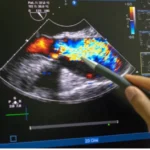
Understanding the Procedure and Benefits of Echocardiograms
March 3, 2026
You encounter new environments when you travel and face distinct dietary risks. When you encounter triggers like peanuts, you risk reactions, so get allergy shots beforehand. Symptoms can include a swollen tongue or difficulty breathing, so stay vigilant and carry medication. Traveling is possible with precautions.
Preparation Tactics
Medication forms your first defense. Pack extra epinephrine, or receive allergy shots beforehand. Bring copies of your prescriptions and keep your medication in your carry-on, not in checked luggage. If you consume hidden dairy or soy with an allergy, you may experience nausea and need medication immediately. Prepare a small kit that includes emergency instructions and a list of your known allergies. Research your destination and connect with support groups or trusted pharmacies before you arrive. Locate hospitals and map out safe grocery stores with allergen-free options. Keep maps for emergency routes. Keep a digital and printed list of local emergency numbers and directions to nearby clinics or hospitals. Doctor visits should precede trips. Consult your physician and discuss your specific triggers and any planned changes in your routine.
Accommodation Choices
Your lodging influences your overall safety. When you prepare your own meals, you avoid wheat or eggs and choose which ingredients to use. Before you book, contact the property to ask about their cleaning procedures and whether they support special allergy accommodations. Inspect guest rooms for potential airborne triggers, and clean anything that they could be sitting on.
Dust mites may lead to excessive sneezing, and mold spores cause respiratory discomfort. Ask about deep cleaning and the types of flooring for more information. If you receive allergy shots, you may tolerate pollen better, but you still need to keep your rooms clean to avoid symptoms from animal dander or mold. Request hypoallergenic bedding and bring your own pillowcases or sleeping bags. When you check in, inspect the air conditioning and vents for dust. Wipe any concerning surfaces with disinfectant wipes.
Communication Methods
Clear communication helps prevent emergencies, so be proactive when eating away from home. Inform staff of your allergies and ask about menu ingredients and cross-contact with common allergens. Because fish or nuts can be in sauces or desserts, always verify each dish’s preparation. Review sample menus online for allergy-friendly options, and call ahead to discuss your allergies before dining out. Translation cards may reduce misunderstandings in places where you do not speak the language. These cards list your allergies and describe the severe reactions you may experience. If you cannot speak the language, these simple tools explain issues like trouble swallowing or difficulty breathing. They may request strict avoidance of listed allergens. Create your cards in multiple languages, and print extras in case some are lost.
Get Allergy Shots Today
Since safe travel requires ongoing vigilance, do all you can beforehand. Plan your meals in advance and communicate your needs clearly. While allergens like strawberries exist worldwide, you can navigate them safely with preparation. Regularly review your emergency action plan, pack all medical supplies, and organize your travel documents. Inform travel companions of your plans. By following these practical tips, you can minimize travel risks.






