
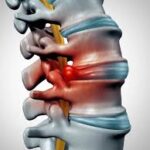
Understanding the Long-Term Implications of a Herniated Disc
June 4, 2026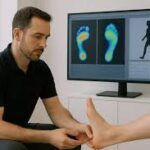
The Role of Podiatrists in Treating Sports-Related Injuries
June 4, 2026
Chronic venous insufficiency (CVI) is a condition in which the veins in your legs struggle to send blood back to the heart efficiently. Daily habits and steady routines play a key role in long-term management, and this can include regular exercise, medications, and professional treatments. Here are several tips for managing CVI:
Incorporate Daily Movement
Movement supports circulation in your legs. Walking activates the calf muscles, even when done in short bursts, and this helps push blood upward through the veins. Because consistency matters more than intensity, a few short walks spread across the day can be effective. A lengthy workout is not required each time; regular brief movement is sufficient to support circulation.
Leg elevation is another helpful practice. When you rest, prop your legs above heart level so fluid moves away from your lower limbs. Slide pillows under your legs while lying down, or use a footrest while seated; these adjustments help reduce swelling over time.
Adjust Your Habits
Long stretches of sitting or standing are significant risk factors for chronic venous insufficiency. Sleeping in a chair or recliner and not getting enough exercise can also contribute to circulation issues over time. Because these patterns gradually affect venous return, small but consistent changes in daily routines are often beneficial. Contemplate making the following adjustments to your daily habits:
- Take short, frequent walking breaks if you sit for long periods to support circulation.
- Stand up and move around at regular intervals to reduce blood pooling in the lower legs.
- Avoid prolonged sitting in recliners or chairs without movement.
- Incorporate regular exercise into your routine to improve overall leg circulation.
- Avoid smoking and tobacco use.
Choose Supportive Clothing
What you wear impacts how your legs feel throughout the day, and clothing choices can meaningfully affect circulation. Tight clothing around the waist, groin, or upper thighs sometimes restricts blood flow and should be avoided when possible. Loose-fitting garments made from breathable fabrics are generally better tolerated; they can support comfort during daily activities. Compression therapy involves the use of compression stockings and is a widely used approach for managing CVI. These garments apply graduated pressure to support venous return. Because compression levels vary based on individual clinical needs, consult your clinician before selecting an appropriate product.
Explore Procedural Options
Your clinician may discuss various treatments and medical procedures, depending on the severity of your CVI. Options include:
- Medications: These may be used to help manage symptoms such as swelling, discomfort, or inflammation and are typically selected based on individual clinical needs.
- Endovenous ablation: A minimally invasive procedure that uses heat or chemical agents to close affected veins and redirect blood flow to healthier vessels.
- Sclerotherapy: A treatment in which a solution is injected into smaller affected veins, causing them to close and gradually fade.
Learn More About Chronic Venous Insufficiency
Managing CVI is an ongoing process built on steady habits and clear communication with your care team, and it requires consistency over time. Focus on daily movement, appropriate clothing choices, and regular follow-ups. Work closely with your clinician to identify approaches, including procedural options, that suit your situation. Keep a log of daily observations such as swelling, skin changes, or activity-related symptoms, as this provides concrete details for visits. Note what improves or worsens your condition, then bring this record to appointments in an organized format. Schedule an appointment with a vascular specialist to learn more about treatment options for CVI.






