
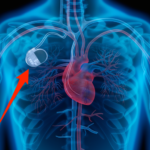
How Pacemakers Help Patients With Arrhythmias
June 17, 2026
Lifestyle Modifications To Consider When Dealing With Acid Reflux
June 17, 2026
Cancer care covers the medical attention given to people diagnosed with cancer, from the first appointment through treatment and recovery. Because each diagnosis brings its own set of needs, treatment plans differ from one person to the next. Professional support shapes how those plans are built and adjusted over time. This kind of support often combines several methods to address the needs that may arise during treatment.
Care Coordination
Cancer care coordination organizes the many appointments, tests, and specialists involved in a treatment plan. Oncologists, nurses, pharmacists, and dietitians each handle a part of the process, and a coordinator keeps these roles aligned so that information moves between them. A clear schedule can help to reduce gaps in communication. Records are often kept in one shared system, which limits the chance of duplicate tests or conflicting instructions.
A coordinator also tracks referrals to outside specialists when a case calls for added expertise. Because timing affects how treatments fit together, the coordinator can map each step against the next. Some patients may need imaging before a session, while others need lab work first. This sequencing keeps the plan moving in a logical order.
Medication Adjustment
Medication adjustment refers to the ongoing review of drug types, doses, and timing during treatment. A pharmacist or physician examines how a patient responds to a current regimen, and small changes often follow when test results point to a need. Doses may rise or fall over the course of weeks, depending on how the patient responds. Regular review keeps the plan matched to the patient’s present condition.
Side Effect Management
Side effect management addresses the physical reactions that arise during cancer treatment, including nausea, fatigue, dehydration, and reduced appetite. Treatments such as chemotherapy can affect fluid balance, so clinical teams often monitor signs of dehydration throughout each cycle. Since symptoms differ between patients, early attention to these signs guides the next step in supportive care. A trained nurse records symptoms and reports patterns to the wider team.
IV hydration is one method used to restore fluids when oral intake falls short. Fluids are delivered directly into a vein, a route that works when nausea or vomiting limits how much a person can drink. A clinician sets the rate and volume based on the patient’s measurements, and the session is monitored to address any dehydration. This approach keeps fluid levels within a defined range during difficult phases of treatment.
Vitamin infusion delivers selected nutrients through the same intravenous route as hydration sessions. A physician reviews lab values before ordering an infusion, and the contents are matched to documented deficiencies rather than general use. Because nutrient levels shift during treatment, repeat testing guides whether further infusions follow. Each session is logged so the broader team can track changes over time. Certain cancers often respond well to vitamin increases, so these can support chemotherapy efforts.
Find Professional Cancer Care
Professional cancer care addresses the needs of cancer patients, and care often adjusts as medications and doctors shift. Coordinating care can influence a person’s experience as they go through treatment. To build a personalized cancer care plan with professional staff, contact a specialized cancer clinic to schedule an appointment.






