
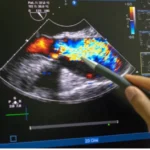
Understanding the Procedure and Benefits of Echocardiograms
March 3, 2026
Understanding Anxiety Disorders
March 4, 2026
When abnormal cells grow uncontrollably in brain tissue, they may form tumors. Some are benign, others are malignant. These tumors can disrupt key brain activity. Detecting brain cancer in its early stages offers more management strategies and may help limit complications and support quality of life.
What Is Brain Cancer?
Brain cancer describes malignant tumors developing within or spreading into brain tissue. Tumors are classified as either primary or secondary. Primary brain tumors arise in the brain or immediate structures, and they may be benign or malignant. Benign tumors, while noncancerous, can still cause issues by increasing pressure in the skull or compressing nearby brain regions. Malignant primary tumors grow rapidly and have the capacity to invade adjacent tissues.
Secondary brain tumors originate from cancers elsewhere in the body and later spread to the brain. These metastatic cases occur more often than primary brain tumors. The tumor’s cell type, origin, and grade impact its effect on neurological function, influencing the approach to care.
How Is it Detected?
Symptoms of brain tumors depend on a variety of factors, which include where the tumor is located, how large it is, and how fast it is growing. Individuals might experience ongoing or worsening headaches, vision changes, unexplained weakness, coordination problems, memory loss, or cognitive difficulties. If new, persistent neurological symptoms develop, seeking prompt evaluation can provide more options for effective intervention.
Imaging tests are key in confirming a diagnosis. Magnetic resonance imaging (MRI) is commonly used, producing detailed images to reveal the presence, size, and characteristics of brain tumors. A computed tomography (CT) scan may also be used if an MRI is unavailable or determined to be unsuitable. If imaging detects a mass, a biopsy is often necessary for definitive diagnosis. Early tumor detection gives clinicians and patients a broader window to discuss management plans and often provides more opportunities for less invasive or more targeted treatments. When tumors are identified before they have grown large or caused extensive brain injury, treatment can be more successful in preserving cognitive and neurological functions.
How Is It Treated?
Treating brain cancer involves a collaborative, multidisciplinary approach that may include surgery, radiation, chemotherapy, targeted therapies, and immunotherapy. Plans are tailored to each patient’s tumor type, size, location, and overall health. Surgical removal aims to extract as much of the tumor as safely possible. Even if total removal is not feasible, reducing the tumor’s size can alleviate symptoms and help other therapies work more effectively.
Radiation therapy may be administered after surgery or as a primary treatment if surgical intervention isn’t possible. It uses focused high-energy beams, such as X-rays or protons, to destroy tumor cells and slow their growth. Chemotherapy uses medication that circulates through the body and targets rapidly dividing cancer cells. The choice and combination of drugs depend on the tumor’s type and responsiveness.
Immunotherapy acts on specific characteristics of the cancer or harnesses the immune system to identify and attack cancer cells. It may improve outcomes where standard treatments are not effective. The care team monitors and manages treatment side effects, supporting patient well-being throughout therapy.
Seek Professional Cancer Care
Ongoing advancements in imaging, surgical methods, and new medical treatments offer guidance for individuals facing brain tumors. With the help of cancer specialists, patients receive professional guidance through complex decisions and treatment options. Early involvement with an experienced care team supports not only effective management but also addresses the practical needs that arise during cancer treatment.






