
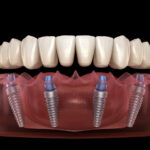
Advancing Dental Implants Through All-In-X Technique Innovations
June 8, 2026
The Role of Family Medicine in Women’s Health
June 8, 2026
Cancer-related pain can affect comfort, mobility, sleep, and emotional well-being during treatment or recovery. Pain management can help patients reduce discomfort through personalized care plans that often include medication and regular communication with the healthcare team. Here are some pain management techniques for cancer patients:
Using Medication for Relief
Medications form the foundation of most cancer pain management plans. Doctors commonly prescribe over-the-counter options like acetaminophen or NSAIDs for mild pain, and stronger opioid medications are used for moderate to severe pain. The goal is to match the medication type and dosage to the patient’s specific pain level. Adjuvant medications, such as certain antidepressants or anticonvulsants, may also play a helpful role when nerve-related pain is present. Patients should inform their care team about all medications they take, including supplements, to avoid interactions.
Incorporating Interventional Therapies
When medications alone do not provide sufficient relief, interventional therapies offer a targeted approach to pain control. Here are several options specialists often recommend:
- Nerve blocks: An anesthetic or neurolytic agent is injected near a specific nerve or nerve cluster to interrupt pain signals traveling to the brain.
- Epidural injections: Medication is delivered into the space around the spinal cord, which can reduce pain affecting the back, chest, or lower limbs.
- Radiofrequency ablation: Heat generated by radio waves is applied to targeted nerve tissue, disrupting its ability to transmit pain signals.
- Spinal cord stimulation: A small device delivers mild electrical pulses to the spinal cord, which can alter pain perception in certain patients.
Pain management specialists will evaluate the patient’s condition to determine which interventional approach, if any, is appropriate for the situation.
Adjusting Daily Comfort
Daily habits and home routines play a meaningful role in managing cancer-related pain alongside medical treatment. Rest is a fundamental part of recovery, but finding a balance between rest and gentle movement is also key. Light activity, such as short walks, can maintain circulation and reduce stiffness without overexerting the body. Positioning matters too; using supportive pillows or adjusting sitting and sleeping positions can relieve pressure on painful areas.
Heat and cold applications may provide short-term comfort for localized pain; patients should follow their care team’s guidance on when each is appropriate. A consistent sleep routine also supports the body’s natural recovery processes, as disrupted sleep can heighten pain sensitivity. Support at home, whether from family members or home health aides, can reduce strain from daily tasks.
Coordinating Ongoing Care
Managing pain effectively does not happen in isolation; it requires continuous communication and coordination across the entire care team. Here are several practices that can make ongoing coordination work well:
- Medication review: Regularly reviewing all prescribed medications helps identify what is working, what needs adjustment, and what may be causing side effects.
- Symptom tracking: Keeping a daily log of pain levels, location, and triggers gives providers accurate data to guide treatment decisions.
- Communication across providers: Sharing updates among specialists helps make sure everyone works using the same information.
- Follow-up visits: Scheduled appointments allow the care team to assess progress and detect early changes in pain patterns.
Coordinated care helps prevent gaps in pain management and supports a consistent approach across all stages of treatment.
Book Your Pain Management Appointment
Effective pain management during cancer treatment is fundamental for improving quality of life and maintaining overall well-being. It draws on a range of tools; each approach works best when it is tailored to the individual and reviewed regularly. Coordinated care between specialists makes sure every aspect of pain management is addressed, allowing for adjustments as needed. Contact a qualified pain specialist near you to book your pain management appointment today.






