
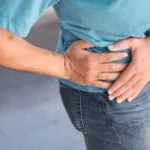
Understanding the Benefits of Hip Arthroscopy
June 18, 2026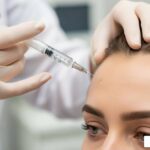
Exploring Botox for Migraines
June 18, 2026
Mohs surgery is a precise technique used to treat certain skin cancers. A surgeon removes thin layers of tissue, and each layer is examined under a microscope. Since the process maps the cancer one layer at a time, the surgeon knows exactly where to stop. Here is more information about this procedure and how it can treat skin cancer:
Removing Layers of Skin
The surgeon begins by numbing the area with a local anesthetic. Doctors remove a thin layer of tissue, and that sample goes straight to a microscope for review. Once they check the layer, the team decides whether more tissue needs to come out. Each pass follows the same steady rhythm, and if cancer cells remain at the edges, the surgeon removes another layer, and the cycle repeats. This step-by-step method continues until the margins show no remaining cancer cells.
Preserving Healthy Skin
Mohs surgery targets cancerous tissue while sparing the skin around it. Because each layer is mapped before more is removed, healthy skin stays in place. This precision matters most in areas where extra tissue loss would be noticeable.
The technique relies on a tight feedback loop between cutting and checking. You stay during the appointment while the lab work happens on site, and the surgeon reviews results before continuing. That immediate review keeps the wound as small as the cancer allows.
Providing Solutions for Visible Areas
Some skin cancers appear in spots that are hard to hide. The face, ears, hands, and neck need careful handling, and Mohs surgery is often used in these locations. By removing only affected tissue, the procedure limits the size of the final wound.
Mohs surgery is helpful for cancers in these specific areas:
- Around the eyes, nose, and lips
- On the ears and scalp
- On the fingers, hands, and feet
- In areas with prior treatment or recurrence
Each of these sites carries unique challenges. Since function matters, surgeons map margins closely before closing the wound. The reconstruction approach depends on the size and location of the area.
Improving Outcomes
Mohs surgery offers high accuracy because the margins are checked during the procedure. Cancer cells are identified in real time, and the surgeon adjusts the next step based on what the slides show. This live review reduces guesswork about whether all cancer was removed.
The procedure is helpful for basal cell and squamous cell carcinomas. These types tend to stay local, and the layer method works well when borders are unclear. Your dermatologist will explain whether this approach fits your diagnosis.
Recovery varies from person to person. Wound care instructions help patients recover, and follow-up visits track how the area heals. Since the wound size depends on the cancer, your recovery timeline may differ from someone else’s.
Schedule a Mohs Surgery Consultation
A consultation gives you a chance to ask questions about your diagnosis. The dermatologist reviews your skin, explains the steps involved, and outlines what to expect on the day of the procedure. You leave the visit with a clearer understanding of your options. If a biopsy confirms skin cancer, reach out to a dermatology office near you. Call to book a Mohs surgery consultation and start the conversation about your treatment plan.






