

The Role of OBGYNs in Managing Fertility Issues
February 10, 2026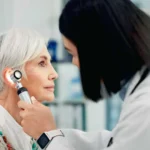
Common Conditions Treated by ENT Specialists
February 10, 2026
Veins return blood from your extremities back to your heart against gravity. An active lifestyle offers numerous health advantages, but your vascular system requires attention to function optimally. You can perform specific actions to preserve the integrity of your vessels because daily choices can affect vein care. Here is more information about some lifestyle changes and treatments that work to maintain the health of your circulatory system:
Changing Dietary Priorities
Proper nutrition is one factor in vein care. What you eat may affect vascular strength, so you should choose your meals wisely. Incorporating high-fiber foods prevents constipation, which reduces abdominal pressure that leads to varicose veins. Whole grains like oatmeal are good sources of fiber, as are apples and sweet potatoes.
Hydration helps keep your body’s blood volume at the proper levels. Salt reduction helps manage water retention because excess sodium increases pressure. When you drink enough water, your blood flows more optimally, and lower sodium intake keeps pressure off your veins. High-sodium foods may increase inflammation in the veins, which can lead to complications.
Adopting Healthy Habits
Your calf muscles act as a pump to push blood upward, and walking for ten minutes after a meal aids this process. Seated calf raises also help prevent blood from pooling during long periods of inactivity. You can try propping your legs above heart level for 15 minutes encourages drainage; compression stockings apply pressure to assist upward flow, and they are helpful for those who stand a lot during the day.
Deep vein thrombosis poses a serious threat to your health. Long periods of immobility or sedentariness increase the risk of clots. Smoking contributes to this condition because it stresses the vascular system. Avoid these risks when possible, and stay active to help yourself avoid complications.
Exploring Medical Treatments
Lifestyle changes sometimes fail to resolve every issue. Minimally invasive treatments can reroute blood to healthier vessels when valves malfunction. Sclerotherapy involves injecting a solution to seal off small, malfunctioning veins, and doctors use it for spider veins, too. Although these veins are small, they indicate underlying issues, and a specialist can treat them quickly.
When providers use other advances methods for varicose vein treatment, they may employ heat or adhesives. Endovenous ablation uses lasers to close problematic areas. VenaSeal shuts down malfunctioning veins with a medical adhesive, but it requires a specialist to administer it.
For blood clots, the ClotTriever system removes clots in a single session, and with no hospital stay. This tool addresses deep vein thrombosis. Doctors use this method for immediate results, and it eliminates the need for thrombolytics. Blood clots can be dangerous and even life-threatening if they travel through the veins to the lungs, so getting treatment can be beneficial.
Learn More About Vein Care
Maintaining healthy veins requires a combination of diet, lifestyle adjustments, and medical attention when necessary. You can support your body with fiber and hydration. Movement keeps blood flowing, and professional treatments address underlying issues. If you want to learn more about vein care, consult a vein specialist near you.






