
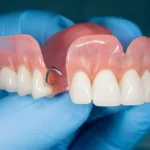
The Different Types of Dentures and How to Choose the Right One for You
June 5, 2026
Tips for Finding a Family Dentist You Can Trust
June 5, 2026
Dentists are trained professionals who examine, clean, and treat your teeth. They spot problems early, and they offer guidance on daily care. Your daily habits are significant because the time between visits shapes your oral health. After your next appointment, here is more information on how to maintain healthy teeth between visits to a dental office:
Brush Twice Daily
Brushing removes plaque from your teeth. You brush in the morning, and you brush again before bed. When you use fluoride toothpaste, you give your enamel extra protection against decay. Spend two minutes each session to reach every surface.
Hold the brush at an angle near the gumline. Gentle circles work well, and hard scrubbing damages enamel over time. While electric brushes help some people, a manual brush cleans teeth just as effectively. Pick the tool that feels comfortable and ask your dentist for tips.
Floss Teeth Daily
Floss reaches spaces a brush misses. You slide it between each tooth, and you curve it against the side of the tooth. When food stays trapped between teeth, bacteria feed on it and cause decay. Floss once a day to clear those gaps. Floss picks make the task simpler, and water flossers offer another option for tight spaces.
Limit Sugary Snacks
Sugar feeds the bacteria that harm your teeth. You reduce risk when you cut back, and you protect enamel by choosing better snacks. When acid from sugar sits on teeth, it weakens the surface and causes cavities. Rinse with water after sweet foods.
Some snacks support healthier teeth than others. Reach for these options between meals:
- Cheese and plain yogurt
- Crunchy vegetables like carrots
- Apples and pears
- Plain nuts and seeds
Timing matters as much as the food itself. Frequent snacking may keep acid levels high, and constant grazing gives teeth no break. While fruit contains natural sugar, whole fruit damages teeth less than candy. Space your snacks out across the day.
Replace Brushes Regularly
Worn bristles clean poorly. You swap your brush every three months, and you replace it sooner if the bristles spread out. When bristles bend and fray, they no longer scrub plaque well. Check your brush head each month for wear.
A toothbrush also collects bacteria over time. Rinse it after each use, and store it upright to let it dry. While covers may seem hygienic, they trap moisture and encourage germ growth. Keep the brush in the open air instead.
Replace your brush after any illness. Old bristles hold germs, and a fresh brush lowers the chance of reinfection. When you finish a cold or flu, switch to a new brush right away. This simple step keeps your routine clean.
Schedule a Dentist Visit
Daily care covers a lot, yet professional checkups catch what you miss. A dentist removes hardened tartar, and they examine areas you cannot see clearly. When problems appear early, treatment stays simpler and less invasive. Your dentist also tailors advice to your mouth; they review your brushing technique, and they flag spots that need attention. Book an appointment now to stay on track between visits.






