
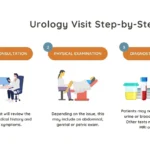
How to Prepare for Prostate Exams
June 11, 2026
Building Routines for Success for Children With ADHD
June 11, 2026
Back pain can present in many different ways, and its underlying type often influences how a healthcare provider approaches diagnosis and treatment. Possible causes of discomfort include aging, disease, and injury. Solutions for back pain relief range from rest and functional exercises to ergonomic adjustments and chiropractic care. Here’s information about several types of back pain and their possible treatments:
Acute Back Pain
Acute back pain develops suddenly, and it usually lasts for a short period of days or weeks. People may describe it as a sharp sensation. It sometimes follows an identifiable event, such as lifting something heavy or twisting awkwardly, which helps explain the onset.
Management focuses on short-term back pain relief and gradual recovery. It often includes light activity and gentle movement, while heat or cold therapy may also provide support. Providers typically recommend a slow return to normal activities; this allows symptoms to improve over time.
Chronic Back Pain
Chronic back pain lasts longer, and providers typically describe it as discomfort that persists for more than 12 weeks. It sometimes continues after the original cause has resolved, or it may develop gradually without a clear trigger. Because the pain lingers over time, treatment focuses on long-term management rather than short-term relief. Approaches often include structured physical therapy and guided exercise programs. Ongoing monitoring also plays a key role, as symptoms can change over time. A provider works with you to build a plan that fits your daily routine, and that plan is adjusted as your needs evolve.
Nerve or Muscle-Related Back Pain
Nerve-related back pain involves irritation or compression of nerves that travel from the spine to other areas of the body. Patients often describe the sensation as shooting, burning, or tingling, and it may radiate into the legs; sciatica is one example of this type of presentation. Treatment typically begins with conservative approaches. These include targeted physical therapy, structured stretching programs, and exercises designed to improve mobility along affected nerve pathways.
Muscle strain-related back pain originates in the muscles and soft tissues that support the spine. It is frequently associated with overuse, repetitive stress, or sudden twisting movements, and it may present as a dull ache or localized tightness that worsens with activity. Management strategies are focused on symptom relief and functional recovery. Possible approaches include:
- Heat or cold applied to the affected area
- Gentle stretching and range-of-motion exercises
- Over-the-counter options for short-term discomfort
- Guidance on posture and lifting technique
- Chiropractic adjustments
Clinicians can help patients distinguish between routine recovery and symptoms that require further evaluation. Normal strain-related discomfort usually improves gradually, whereas persistent or worsening pain indicates a more significant issue. This distinction helps guide appropriate next steps in care. Patients are encouraged to monitor their symptoms closely. They should seek medical attention when warning signs appear or when recovery does not follow the expected course.
Find Back Pain Relief
Back pain can be grouped into several broad categories, and each category is understood and managed in a slightly different way. Acute pain, chronic pain, nerve-related discomfort, and muscle strain all involve distinct causes. They may also present with different patterns of symptoms; this includes sharp or sudden-onset pain or persistent aching that lingers over time. If you’re experiencing back pain, schedule a visit with a qualified provider to assess your specific situation.






