How to Take Professional Photos with a Phone
October 14, 2025
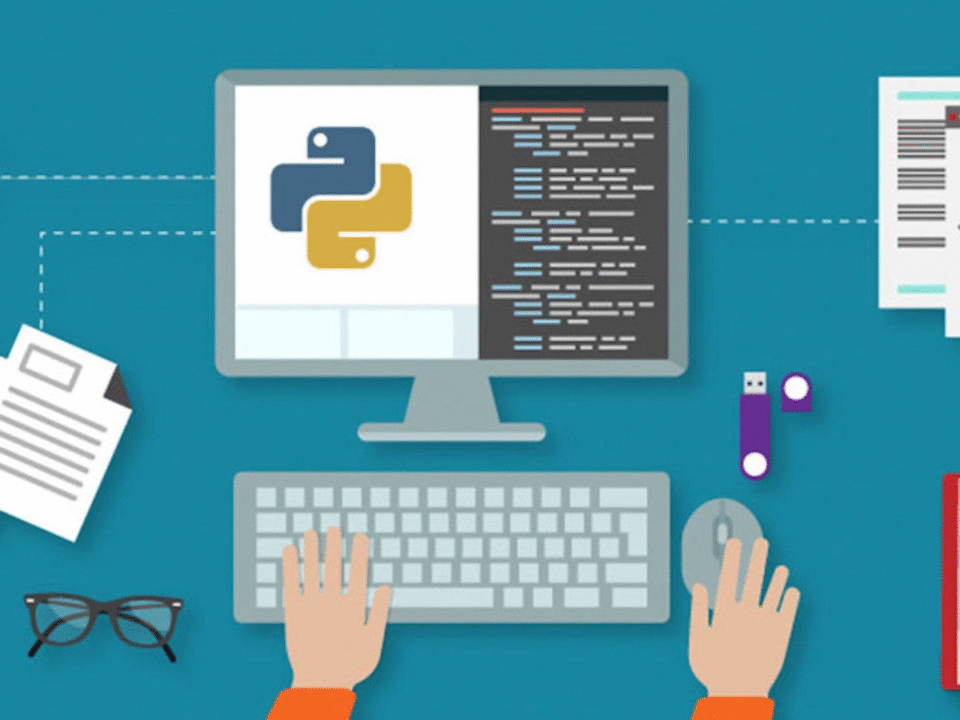
Beginner Guide to Python Programming – Learn the Basics Step-by-Step
October 14, 2025
Introduction
Technology is evolving faster than ever, and so is the demand for skilled programmers. Whether you’re a beginner looking to start your coding journey or a professional aiming to upgrade your skills, choosing the right programming language can make a huge difference.
As we step into 2025, the world of programming continues to grow with new tools, artificial intelligence (AI) developments, and data-driven innovation. But with so many languages available — Python, JavaScript, C++, and more — how do you know which one is worth learning?
In this article, we’ll explore the best programming languages to learn in 2025, why they matter, and how they can boost your career in tech.
1. Python – The King of Simplicity and Power
Why Learn It:
Python remains one of the most popular and beginner-friendly programming languages in 2025. It’s simple, versatile, and used in almost every tech field — from web development to AI, data science, and automation.
What Makes Python Special:
- Easy to learn and read
- Huge community support and free learning resources
- Works well for both beginners and experts
- Excellent for AI, data analysis, and app development
Popular Uses:
- Machine learning (using TensorFlow, PyTorch)
- Web apps (with Flask or Django)
- Data analytics and visualization
- Scripting and automation
Example Use:
Companies like Google, Netflix, and Spotify use Python for machine learning models and recommendation systems.
Verdict:
If you’re just starting or want to work in AI and data, Python is a must-learn in 2025.
2. JavaScript – The Language of the Web
Why Learn It:
If the web is your playground, then JavaScript is your most important tool. It powers the interactive elements of websites and is the foundation for front-end and full-stack development.
What Makes JavaScript Special:
- Runs in all browsers
- Essential for web development
- Supported by powerful frameworks like React, Vue, and Angular
- Now used on the backend too (thanks to Node.js)
Popular Uses:
- Building responsive websites
- Creating web apps
- Developing mobile and desktop apps
- Game development
Example Use:
Platforms like Facebook, Twitter, and YouTube rely heavily on JavaScript frameworks to make their sites fast and dynamic.
Verdict:
If you dream of becoming a web developer or a full-stack engineer, JavaScript should be at the top of your list.
3. Java – The Evergreen Choice for Enterprise
Why Learn It:
Java has been around for decades, but it’s still one of the most powerful and reliable languages in the tech world. It’s widely used for large-scale systems, Android apps, and financial platforms.
What Makes Java Special:
- Platform-independent — runs on almost any system
- Strong object-oriented structure
- Great job market and long-term stability
- Excellent performance and scalability
Popular Uses:
- Android app development
- Cloud-based and enterprise applications
- Server-side systems
Example Use:
Companies like Amazon, Uber, and LinkedIn use Java for their backend systems because it’s secure and highly scalable.
Verdict:
If you’re planning a long-term tech career or want to develop Android apps, Java is a smart investment in 2025.
4. TypeScript – The Smarter JavaScript
Why Learn It:
TypeScript is like JavaScript’s smarter sibling — it adds type safety, error checking, and better code organization, making development smoother and less error-prone.
What Makes TypeScript Special:
- Built on top of JavaScript
- Prevents many coding mistakes before running the program
- Preferred by big tech companies for large-scale projects
- Great for both frontend and backend apps
Popular Uses:
- Building scalable web applications
- Maintaining large codebases
- Working with React, Angular, or Node.js
Example Use:
Companies like Microsoft and Slack use TypeScript for their web platforms.
Verdict:
If you already know JavaScript, learning TypeScript in 2025 is a powerful next step to make your code more professional and reliable.
5. Go (Golang) – Fast, Simple, and Modern
Why Learn It:
Developed by Google, Go (or Golang) is known for its speed, simplicity, and efficiency. It’s perfect for cloud computing, networking, and server-side development.
What Makes Go Special:
- Blazing-fast performance
- Easy to learn compared to C++ or Java
- Excellent for concurrency (handling multiple tasks at once)
- Great support for microservices and backend systems
Popular Uses:
- Cloud services and DevOps tools
- Scalable backend systems
- Distributed applications
Example Use:
Tech giants like Google, Dropbox, and Uber use Go to manage large-scale systems efficiently.
Verdict:
If you’re interested in cloud computing or backend infrastructure, Go is a rising star in 2025.
6. Rust – The Future of Safe and Fast Programming
Why Learn It:
Rust is gaining massive popularity because it combines speed (like C++) with safety (avoiding memory errors). It’s quickly becoming a favorite for system programming, blockchain, and game engines.
What Makes Rust Special:
- High performance and safety
- No garbage collector, but memory-safe
- Great community and modern syntax
- Excellent for performance-critical applications
Popular Uses:
- System programming
- Game development
- Blockchain technology
- Embedded systems
Example Use:
Companies like Mozilla, Discord, and Microsoft are investing heavily in Rust.
Verdict:
If you love performance and want to work on low-level systems or blockchain, Rust is one of the best languages to learn in 2025.
7. Swift – The Language of Apple’s Ecosystem
Why Learn It:
If you dream of building apps for iPhones, iPads, or Macs, Swift is your go-to language. It’s clean, modern, and officially supported by Apple.
What Makes Swift Special:
- Easy-to-read syntax
- Strong performance and safety features
- Works for iOS, macOS, watchOS, and tvOS
- High demand for iOS developers
Popular Uses:
- iPhone and iPad app development
- Apple Watch and Mac applications
Example Use:
Popular apps like Airbnb and Lyft are built using Swift.
Verdict:
If you’re targeting the Apple ecosystem, Swift is the best programming language to learn in 2025.
8. SQL – The Language of Data
Why Learn It:
In a data-driven world, understanding SQL (Structured Query Language) is essential. It helps you manage, analyze, and organize data effectively.
What Makes SQL Special:
- Essential for database management
- Works with data analytics and business intelligence tools
- Easy to integrate with Python, Java, or R
Popular Uses:
- Data analytics and reporting
- Business intelligence
- Backend databases
Example Use:
Every major company — from small startups to Facebook and Amazon — relies on SQL to manage their massive databases.
Verdict:
No matter your career path, knowing SQL is a valuable skill in 2025.
Conclusion
The tech world is changing rapidly, but one thing remains constant: coding is the future. The best programming language to learn in 2025 depends on your goals.
Here’s a quick summary:
- For AI & Data Science → Python
- For Web Development → JavaScript / TypeScript
- For Enterprise & Android → Java
- For Cloud Computing → Go
- For System Programming → Rust
- For iOS Apps → Swift
- For Data Analysis → SQL
Choose one language, master it, and then expand your skill set. The more you learn, the more opportunities will open up — whether it’s freelancing, remote work, or building your own software business.
The world will always need skilled programmers — and 2025 is the perfect year to start.
FAQs
1. Which programming language is best for beginners in 2025?
Python is the best choice for beginners because it’s easy to learn, has a simple syntax, and is used in many fields like web development, AI, and data science.
2. Which language has the highest job demand in 2025?
JavaScript and Python remain the top choices due to their versatility and wide use in both startups and large companies.
3. Is it worth learning older languages like C++ or Java?
Yes. While older, C++ and Java are still highly relevant in system development, enterprise software, and Android applications.
4. How many programming languages should I learn?
Start with one, master it, and then learn another that complements it. For example, learn Python first, then SQL or JavaScript.5. What’s the future of programming careers in 2025 and beyond?
The future is bright. AI, automation, data science, and cybersecurity are growing fast — all requiring skilled programmers to design and maintain technology.