

The Role of an Ophthalmologist in Treating Eye Injuries
May 26, 2026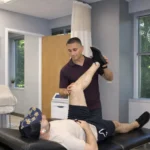
The Benefits of Regular Exercise for Hip Pain Relief
May 26, 2026
Back pain is a common reason people limit work, exercise, and daily routines. It may start after an injury, or sometimes it develops gradually as strength and mobility change over time. When treating back pain, physical therapy focuses on movement, hands-on care, and practical habits tailored to a person’s symptoms and goals. Here is some information about physical therapy for back pain:
Active Therapy
Active therapy uses guided movement to improve how the back, hips, and trunk work together. At first, the therapist may ask you to perform simple motions such as:
- Bending forward
- Leaning backward
- Walking
- Raising one leg while lying down
These tests help identify which movements are limited and which increase symptoms. It also enables the therapist to develop a targeted treatment plan. They often recommend mobility drills, strengthening exercises, and balance work. Someone with pain after long sitting may practice hip flexors and pelvic tilts, while a warehouse worker with pain during lifting works on core bracing and load training.
Therapists often adjust exercise based on symptom response. If a bridge exercise irritates the back, the plan may shift to shorter holds or a different position. If walking is manageable, therapists typically set a time-based goal, such as 8 to 10 minutes. Active therapy gives the patient a role in the plan, and this helps track patterns between activity, posture, and symptoms.
Manual Therapy
Manual therapy uses hands-on techniques, such as joint mobilization, soft tissue work, or assisted stretching. These methods are often used along with exercise, not as a stand-alone plan. A therapist uses manual therapy when stiffness, guarding, or limited motion interferes with movement. A person who has trouble rotating the lower back may receive hip and lumbar mobilization before practicing a controlled rotation drill. To manage muscle tightness, therapists use soft-tissue work around the low back or hips, and then patients complete walking or stretching routines.
With manual therapy, the therapist selects a technique based on exam findings and symptom behavior. Pressure, position, and duration may change from visit to visit. Some people feel temporary soreness after hands-on care, so the therapist will discuss what to expect and when to report increased symptoms.
Education and Ergonomics
Education helps patients understand the daily habits and activities that affect their back pain. A therapist reviews the patient’s work, exercise habits, and stress load, and this helps guide treatment decisions. Although every person experiences back pain differently, the goal is to reduce repeated strain and improve activity choices.
Ergonomics focuses on how the environment fits the body. At a desk, that may mean placing the monitor at eye level and using a chair that supports the lower back. More movement also matters; a person who sits for eight hours usually benefits from standing or walking breaks.
Education also covers warning signs and decision-making. New numbness, loss of bladder or bowel control, or severe pain after trauma needs prompt medical attention. Tracking pain levels helps evaluate less urgent symptoms, and monitoring exercise responses guides treatment adjustments. If one strategy does not fit, the therapist can modify the plan rather than repeat the same approach.
Manage Back Pain
Physical therapy for back pain often combines active therapy, manual therapy, and education into one plan. Some patients notice gradual improvement within a few weeks, but others require a longer recovery period. Because recovery depends on consistency and daily habits, therapists often encourage patients to stay active between sessions. If back pain is affecting your routine, schedule an evaluation with a physical therapist today to review your symptoms.






