Managing Pain and Discomfort After an Ankle Sprain
March 5, 2026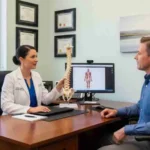
How to Prepare for Your First Visit to a Spine Doctor
March 5, 2026
Botulinum toxin, known as Botox, is a neurotoxin used in aesthetic medicine. It temporarily alters muscle activity for cosmetic enhancement, so understanding how it works can help you make informed decisions. Because this treatment has specific applications and considerations, discuss your options with your provider.
Mechanism of Botox
Botox acts on the neuromuscular junction, as this is where nerve endings meet muscle cells. Nerves release a chemical called acetylcholine to make muscles contract. Botox injections block the release of this chemical. When the muscle cannot receive the signal, it does not contract. The effect is not immediate, as temporary muscle relaxation develops over several days while the body uses up existing acetylcholine. Over time, muscle function will slowly return as the body resets nerve communication. The substance itself is a purified protein. Licensed providers use a specific form, and it meets medical control standards. The product is derived from the bacterium Clostridium botulinum.
Its effect is localized to the injection site, and it is temporary. Over time, your body creates new signaling pathways, allowing muscle function to gradually return. The procedure is generally safe when performed by a qualified provider. It is recommended to discuss your medical history, including any existing conditions or medications, with your practitioner before undergoing treatment. Common side effects may include mild swelling, redness, or discomfort at the injection site. These usually resolve within a few days. Complications such as unintended muscle weakness or allergic reactions can occur, so receive treatment from a licensed professional. Follow your provider’s instructions, so you can help achieve the best outcome and minimize risks.
Applications and Aesthetics
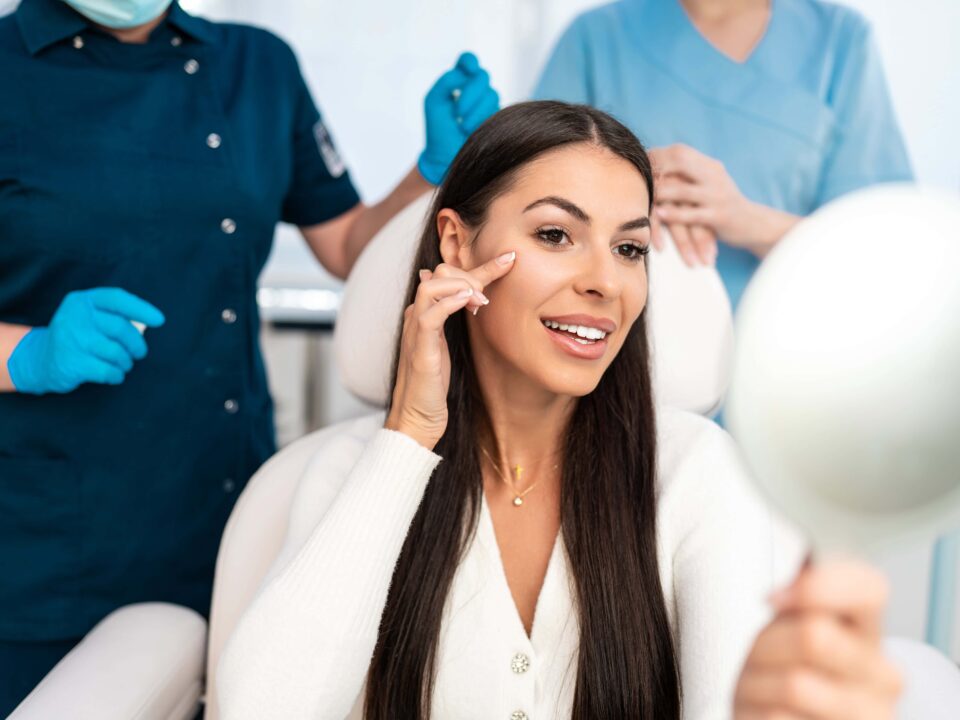
Aesthetic providers use Botox for specific cosmetic concerns. It is used for treating dynamic wrinkles. These are lines formed by repeated muscle movement. Common treatment areas include frown lines between the eyebrows. Providers also use it to smooth horizontal forehead lines, and they can remove crow’s feet around the eyes. Some seek treatment for chin dimpling to improve the appearance of the lower face. Each injection targets the muscles responsible for these wrinkles. One application is masseter reduction for slimming the jawline. Injecting the large masseter muscles creates a softer facial contour. This procedure also helps reduce teeth grinding by weakening the muscles. The treatment plan is customized for each person’s unique facial anatomy. Botox is also widely used for medical purposes beyond aesthetics. Each treatment is tailored to the patient’s needs, and it supports the best possible results and quality of life.
Considerations and Side Effects
Be aware of potential results, as common side effects are temporary and localized. You might experience pain, swelling, or bruising at the injection site. Mild discomfort is possible with any injectable procedure, and some redness or tenderness may develop. Some people report headaches or flu-like symptoms after treatment. These reactions usually resolve within a few days, and they do not typically interfere with daily routines. Less common outcomes include droopy eyelids or uneven eyebrows if the toxin spreads. Following your provider’s aftercare instructions reduces these risks. Selecting a qualified, experienced injector further reduces the risk of complications, given their knowledge of facial anatomy and proper injection techniques.
Book a Botox Appointment Today
Botox offers a scientifically-backed method for addressing specific aesthetic goals. Proper application by a skilled professional leads to the best results. If you have questions about whether this treatment is right for you, consider scheduling a consultation. An expert will assess your individual needs, and they will discuss a personalized treatment plan.