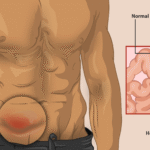
Understanding Different Types of Hernias and Their Symptoms
June 13, 2026
Understanding What Plantar Fasciitis Is
June 13, 2026
A knee replacement is a major step toward better movement. The surgery repairs damage from conditions like osteonecrosis, a fracture, or injury to the knee joint. Recovery does not end in the operating room, and follow-up care plays a central role. Since your surgeon will schedule visits, attend each of them on time.
Monitoring of Your Healing
Follow-up visits let your care team watch how your body recovers. You may have swelling or stiffness, but these visits confirm if your healing stays on track. Report new symptoms, and your provider examines the area. You adjust your care together, since you understand your body. During these visits, your team may perform several checks:
- Inspection of the surgical site and wound for signs of infection
- Imaging scans that show how the joint settles into place
- Blood tests that reveal hidden infection and guide quick decisions
- Measurements of swelling that track your steady recovery
Early checks catch problems fast, and timely treatment keeps small issues from becoming bigger. Regular monitoring supports a safer recovery, since it gives you clear answers about what to expect. Do not miss any appointments.
Managing Your Pain
Pain control remains a key part of your recovery. Your provider reviews your medication, and they adjust the dosage as your comfort improves. Some discomfort is normal after knee replacement, but follow-up visits help separate expected pain from warning signs. You can describe your symptoms, your provider compares them to typical patterns, and you refine your plan together. You rate your pain, while your provider tracks the trend. Persistent pain may signal a problem, so prompt reporting helps your team respond fast. Good pain management lets you move more, and movement supports faster healing.
Progressing Your Rehabilitation
Since rehabilitation rebuilds your strength, it may also restore your movement. Your provider reviews your physical therapy progress, and they may set new exercise goals at each visit. Therapy can be slow, but steady effort improves your mobility over time. Your therapist tracks how far your knee bends, your provider measures your strength, and these records clearly show your improvement. Each appointment confirms whether your plan fits your current ability.
Your provider may add new exercises, and these moves target weak muscles around the joint. You can practice at home, while your therapist reviews your form. Refine each step together. Some visits test your range of motion, and these results guide your next phase. Setbacks can occur, so honest updates help your team correct your plan early. Small adjustments keep you progressing, and consistent visits help you reach your mobility goals.
Schedule Knee Replacement Today
Follow-up care protects the results of your surgery. Attend every appointment, and contact your provider if you notice fever, increased pain, or wound drainage. These signs may seem minor, but early reporting helps your team act quickly and protect your recovery. Talk with your surgeon about your visit schedule. Ask questions about your symptoms, and follow the plan your team creates. Since your active participation supports your long-term mobility, consistent care gives you the best path forward.