

Minimally Invasive Techniques Used in Spine Surgery
June 6, 2026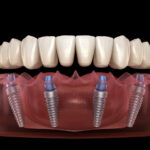
Advancing Dental Implants Through All-In-X Technique Innovations
June 8, 2026
Routine check-ups are a foundational component of preventive health care. Some may only visit a doctor when they feel unwell, but this approach can leave health changes undetected for extended periods. Regular appointments with a primary care provider offer a structured opportunity to monitor health over time, allowing them to address concerns as they emerge.
What Is Primary Care?
Primary care typically refers to the first point of contact a patient has with the health care system for non-emergencies. A primary care provider (PCP) is a health care professional who manages a broad range of health conditions; they also coordinate care across different medical specialties when necessary. The PCP can serve as a consistent point of contact across a patient’s health journey, building a detailed understanding of a patient’s medical history, lifestyle, and individual health needs.
What Does a Check-Up Involve?
A routine check-up is a comprehensive assessment of a patient’s overall health status. The appointment typically includes a review of the patient’s medical history and current medications; it also involves an evaluation of key health indicators. During a physical exam, a provider may assess:
- Vital signs, including blood pressure and heart rate
- Body weight and BMI (body mass index)
- Lung function
- Neurological and motor function
- Vision
- Skin condition
In addition to the physical examination, a provider may order laboratory work or recommend screenings based on the patient’s age, sex, and medical history. Certain bloodwork can require fasting beforehand, such as blood glucose testing. Patients are generally advised to bring a list of their current medications, and it is encouraged to relay any noticed changes in their health.
What Are the Benefits?
Scheduling routine check-ups with a primary care provider carries a range of practical advantages for patients of all health statuses; this includes those who feel well and have no current complaints. Regular visits allow a provider to track changes in a patient’s health over time. This longitudinal perspective can reveal gradual shifts in health markers, potentially going completely unnoticed between isolated appointments otherwise. Other benefits of regular examinations include:
- Screenings: Primary care providers use check-ups to identify which screenings are appropriate for each patient, such as mammograms or other diagnostic tools that detect conditions at early stages.
- Management of Chronic Diseases: For patients managing long-term conditions, routine visits provide a framework for monitoring treatment effectiveness and adjusting care.
- Medication Review: Check-ups offer a structured time for providers and patients to review current prescriptions, discuss side effects, and make adjustments.
- Vaccine Updates: Providers use annual visits to verify that patients are current on recommended immunizations for conditions such as influenza and shingles.
When a health concern falls outside the scope of their care, the PCP is positioned to refer patients to specialists.
Schedule a Check-up
Most primary care providers recommend a routine physical exam once per year, typically around the same time for consistency. Establishing this cadence builds a reliable health record, and it can strengthen the provider-patient relationship over time. Booking an initial appointment is the first step toward structured, proactive health management.





