

The Benefits of Choosing Dental Implants Over Other Solutions
June 4, 2026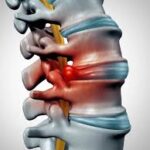
Understanding the Long-Term Implications of a Herniated Disc
June 4, 2026
Suboxone is a prescription medication that combines two active ingredients, buprenorphine and naloxone, and it is used in the treatment of opioid dependency. The medication works within a structured treatment program supervised by a medical professional. Because Suboxone treatment acts on the same receptors that opioids target, Suboxone can play a role in managing the physical aspects of dependency. It treats several aspects of the opioid response and addiction mechanisms in the body.
Treating Withdrawal Symptoms
Withdrawal from opioids produces physical symptoms such as nausea, muscle aches, and restlessness. These symptoms often lead people to continued opioid use, even if they’re trying to quit. Buprenorphine attaches to opioid receptors with partial activity, and this can lessen the intensity of those symptoms during early treatment. When Suboxone treatment is taken as prescribed, the body experiences a more gradual adjustment than it would during sudden cessation.
The timing of the first dose matters in this process. Suboxone is typically introduced after the initial withdrawal symptoms begin, since starting too early can trigger discomfort, and clinicians monitor this stage closely. A controlled reduction in symptoms allows many patients to remain in treatment. Administration of the medication usually continues until symptoms of withdrawal decrease enough for a reduced risk of relapse.
Reducing Relapse Risk
Relapse risk remains a central concern throughout opioid dependency treatment. Since buprenorphine occupies the opioid receptors, this occupation can reduce cravings that often lead to a return to opioid use. Cravings for more drug use are managed, and recovery becomes more stable.
The naloxone component adds a layer of deterrence against misuse. Naloxone has a limited effect when the medication is taken orally, but it can produce withdrawal symptoms if the medication is misused through injection. This design discourages improper use, like injecting the drug. If an individual is able to obtain Suboxone and use it without proper medical supervision, the naloxone component may cause discomfort.
Stabilizing Brain Receptors
Long-term opioid use alters how the brain responds to natural and external stimulation. Suboxone provides steady, partial activation of opioid receptors, and this consistency often supports a more predictable neurological state. The medication does not produce the same effects that full opioids create.
A stable receptor environment supports other parts of a treatment plan. Counseling and behavioral therapy may be combined with medication, and these approaches address the patterns that contributed to dependency. The stability created by Suboxone gives patients a foundation for that broader work to combat addiction.
Receptor stability develops over weeks as the drug leaves the body. Dosage adjustments are guided by a clinician, and regular evaluations help track progress while reducing the chance of side effects. A measured pace allows the brain to adapt without sudden shifts. By using this approach, individuals can usually avoid difficult withdrawal symptoms and find relief from the addiction.
Learn More About Suboxone Treatment
Suboxone treatment addresses several physical aspects of opioid dependency, including withdrawal symptoms, cravings, and receptor stability. The medication functions within a structured program conducted under medical supervision. A history of opioid misuse can be reviewed by a provider, and they can offer a recommendation to a specialist. Contact a medical professional to learn more about this treatment and find out if it’s right for you or a loved one.






