
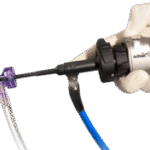
The Significance of Knee Arthroscopy in Sports Medicine
June 10, 2026
Exploring Available Cosmetic Dentistry Options
June 10, 2026
Semaglutide is a medication that is used to support blood sugar control and weight management when prescribed by a qualified healthcare provider. It works by influencing appetite, digestion, and insulin response, helping the body regulate glucose levels more effectively. Understanding how Semaglutide works can help patients make informed decisions, follow medical guidance, and manage expectations during treatment.
How Is Blood Sugar Affected?
Semaglutide mimics a hormone called GLP-1, which your gut releases after you eat. It tells the pancreas to release insulin when blood sugar rises, and this action moves sugar out of the bloodstream and into your cells. The medication works best when glucose is high, so it reduces the risk of blood sugar dropping too low on its own.
The drug also slows a hormone called glucagon, which normally raises blood sugar by signaling the liver to release stored glucose. When glucagon stays in check, the liver releases less glucose, and blood sugar levels remain stable throughout the day. This balanced effect is one key reason doctors prescribe semaglutide for type 2 diabetes.
How Is Appetite Controlled?
The same GLP-1 hormone that affects blood sugar also sends signals to your brain about hunger. Semaglutide acts on areas of the brain that control appetite, and these signals can help you feel full sooner. People may eat smaller portions as a result and feel satisfied for longer. Slower stomach emptying plays a role here too. Food stays in your stomach a bit longer, so the feeling of fullness lasts after you finish a meal. This combination of brain signals and slower digestion is the main way the medication supports appetite control.
What Should Patients Expect?
People respond to semaglutide differently, and your experience depends on factors like your dose and overall health. Your doctor tracks your progress and adjusts the plan as needed. Common side effects include nausea, mild stomach upset, or changes in bowel habits, and these often ease as your body adapts. Smaller meals and slower eating may reduce these feelings. Talk with your provider if any symptom persists or does not fade.
Results vary from person to person, so it is helpful to set realistic expectations and stay in contact with your care team. Regular check-ins let your doctor monitor blood sugar, weight, and any side effects. This follow-up makes sure your treatment is safe and on track.
Which Habits Improve Results?
Semaglutide works best when you pair it with healthy habits; a few changes can support your progress. The following habits can give you a practical starting point:
- Eat balanced meals: Choose meals that include protein, fiber, and vegetables, as these foods promote fullness and help stabilize blood sugar.
- Stay active: Regular movement, such as walking or light strength work, helps your body use insulin and supports weight goals.
- Drink enough water: Good hydration aids digestion and can ease mild stomach discomfort.
- Eat slowly and in smaller portions: Small and slower meals work well with the medication’s effect on fullness and may reduce nausea.
- Track your progress: Notes on meals, activity, and how you feel give your doctor useful details at each visit.
These habits do not replace your prescription, but they can make your treatment plan more effective over time.
Book Your Semaglutide Appointment
Semaglutide copies a natural hormone to help manage blood sugar and support appetite control; it works through your pancreas, liver, brain, and digestive system. Patients may notice changes over several weeks, and healthy habits like balanced meals, movement, and good sleep can strengthen results. Your doctor guides the dose and monitors your progress to keep things safe. Contact a qualified healthcare provider near you to book your semaglutide appointment today.






